Why Your Shower Is Smarter Than Your Desk (And What to Do About It)

Photo: iMahesh, CC BY-SA 4.0, via Wikimedia Commons
You've blocked off two hours for deep creative work. You stare at the screen. Nothing. Then, on your morning commute with your brain half-asleep and a podcast in your ears, the answer just... shows up. Sound familiar? The neuroscience behind this isn't random — and once you understand it, you can actually engineer it.
There's a quiet irony at the heart of modern productivity culture: we schedule our creativity like it's a dentist appointment, then wonder why it doesn't show up on time. The harder we try to force a breakthrough, the more elusive it becomes. Meanwhile, our best ideas have a habit of crashing the party when we're doing literally anything else.
This isn't a personal failing. It's brain science.
What's Actually Happening in Your Head During a Commute
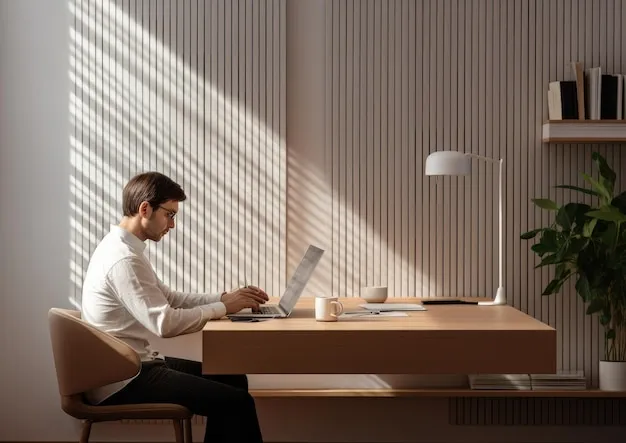
When you're actively working — grinding through a problem, staring down a blank document, willing yourself to think harder — your brain is running on what researchers call the executive attention network. This is your focused, analytical mode. It's great for executing known tasks, following logical steps, and staying on-topic. But it's also kind of a control freak. It keeps your thinking narrow and sequential, which is exactly what you don't want when you need a fresh angle.
The magic happens when you step away. The moment you stop actively trying to solve something, your brain quietly switches over to the default mode network (DMN) — a sprawling web of regions that lights up during daydreaming, mind-wandering, and low-demand tasks like washing dishes or folding laundry. The DMN doesn't think in straight lines. It makes unexpected connections, pulls from distant memories, and stitches together ideas that your focused brain would never have introduced to each other.
In other words: your shower isn't a distraction from your work. It might be the most productive part of your day.
The Deliberate Practice Problem
Here's where it gets a little complicated, especially for people chasing flow states. Flow — that deeply satisfying zone where effort feels effortless and output feels electric — tends to require focused engagement. You can't drift into flow while zoning out on the treadmill. It demands skill, challenge, and attention.
But flow and creative incubation are actually two different things, and confusing them is costing a lot of people their best ideas.
Flow is incredible for executing creative work. It's the state where a writer finally finds their rhythm, where a designer loses track of time building something beautiful, where a developer writes clean code for three hours straight. But flow doesn't generate the raw material — the unexpected insight, the lateral leap, the "wait, what if we flip this entirely" moment. That's the DMN's job. And the DMN needs you to back off.
The trap many high performers fall into is treating every waking hour as an opportunity to be in focused-work mode. They optimize their calendars, eliminate downtime, and then wonder why their creative output feels stale. They've accidentally starved the very process that feeds their best work.
The Hidden Cost of Always Being "On"
Ask most driven Americans about their daily schedule and you'll hear some version of the same story: early mornings, packed workdays, evenings spent catching up on email, weekends half-dedicated to "getting ahead." There's a cultural badge of honor attached to busyness, and it's quietly devastating to creative performance.
When you never truly disengage, your default mode network never gets clean airtime. The incubation process — that slow, subterranean churn where your brain quietly works through problems without your conscious interference — gets interrupted before it can finish the job. You end up with half-baked ideas and a vague sense that you're not as sharp as you used to be.
It's not that you've lost your edge. You just haven't given it room to breathe.
A Framework for Structuring Your Week Around Both
The good news: this is actually fixable, and it doesn't require blowing up your schedule. It just requires being a little more intentional about what kind of work you're doing and when.
1. Protect your incubation windows. Think of commutes, walks, chores, and even light exercise as cognitive assets, not dead time. Resist the urge to fill every gap with a podcast or a scroll session. Let your mind wander. This is productive. Give yourself at least 20–30 minutes a day of genuinely low-stimulation time.
2. Front-load the hard problem, then walk away. Before you take a break or head into a low-demand task, spend 10–15 minutes actively engaging with whatever you're stuck on. Read around the problem. Write out what you know and what you don't. Then deliberately let it go. You're essentially handing a brief to your subconscious — and your DMN works best when it has something specific to chew on.
3. Schedule your flow blocks for execution, not exploration. Reserve your deep-focus windows for work where you already have direction — writing a draft you've already outlined, designing a concept you've already envisioned, building something you've already spec'd out. These are the moments where flow can do its best work.
4. Keep a capture system close during off-hours. A simple notes app or a small notebook is enough. The insight that surfaces during your afternoon dog walk or your post-gym cooldown has a short shelf life. Capture it before your executive brain starts second-guessing it.
5. Reframe "rest" as part of the work. This is probably the biggest mental shift, especially for high-achievers. Taking a real lunch break, going for an aimless walk, spending a Sunday morning doing absolutely nothing productive — these aren't indulgences. They're infrastructure. Your creative output depends on them.
The Bigger Picture
Flow168 is built around a simple idea: peak performance isn't about forcing yourself to operate at maximum intensity every hour of the day. It's about understanding the rhythms your brain actually runs on and designing your life to work with them instead of against them.
Your best ideas aren't hiding from you. They're just waiting for you to get out of the way long enough for them to show up.
So the next time you're stuck on something that matters, try this: spend a few minutes with the problem, then go do something completely mundane. Let your mind drift. Don't chase the answer.
Chances are, it'll find you in the shower.